

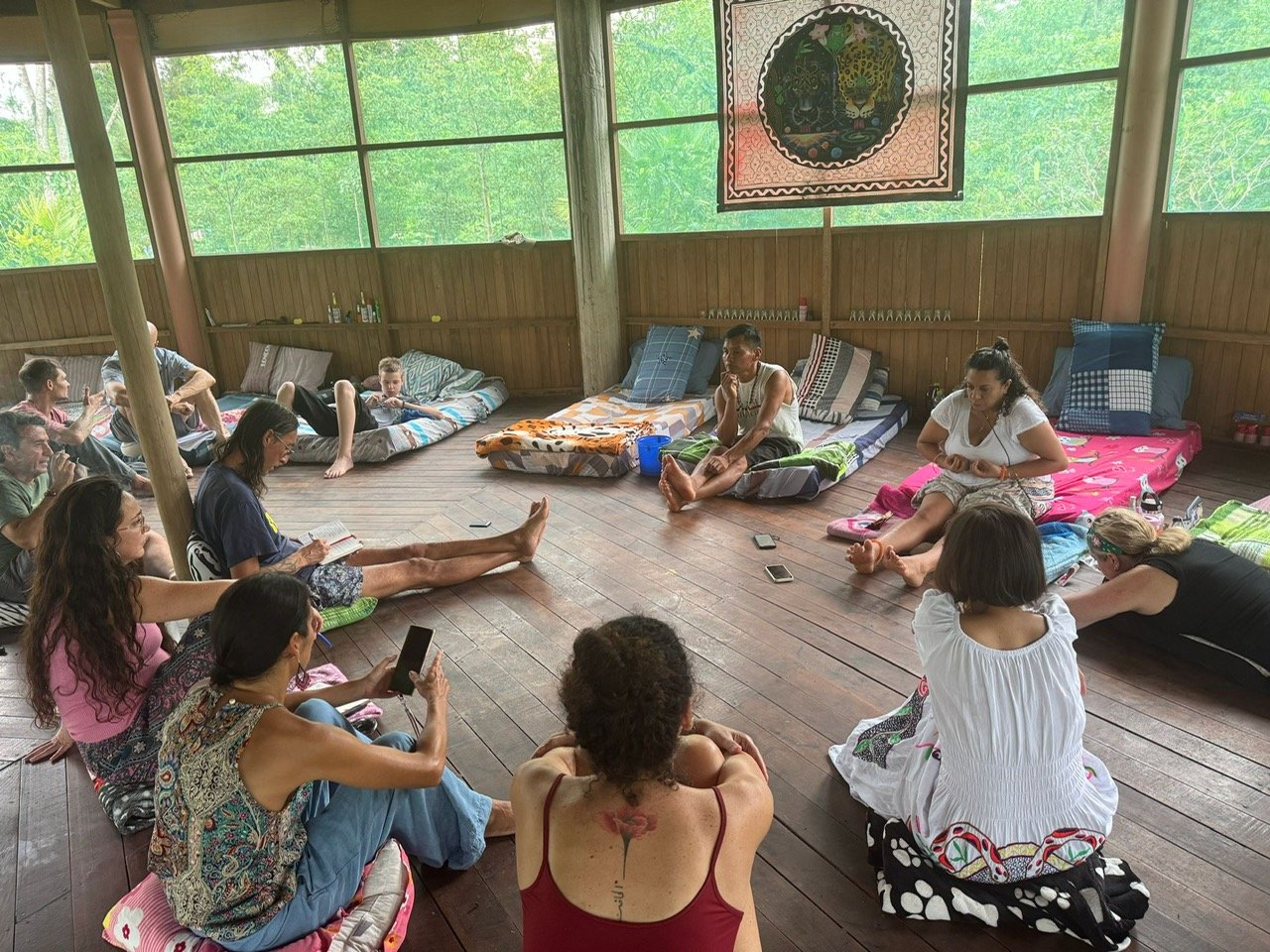
For many people, the idea of traveling to the Peruvian Amazon for ayahuasca carries a sense of mystery, hope, and deep personal significance. At the same time, the growing popularity of ayahuasca tourism has created a landscape where not every retreat offers the same level of cultural integrity, safety, or genuine connection to Shipibo tradition. Some places are deeply rooted in lineage, community, and healing knowledge. Others may borrow the language and imagery of authenticity without truly embodying it.
If you are considering this kind of journey, it is worth slowing down and learning what actually matters. An authentic Shipibo ayahuasca retreat is not just about drinking medicine in the jungle. It is about the people who hold the space, the traditions that shape the ceremonies, the environment in which healing takes place, and the respect shown toward the culture that carries this knowledge.
Here is what to look for when choosing a retreat that feels grounded, respectful, and truly connected to Shipibo tradition.
A Real Connection to Shipibo Lineage and Culture
One of the first things to look for is whether the retreat has a genuine relationship to the Shipibo people and their healing tradition. Authenticity is not just a visual aesthetic made of woven textiles, jungle huts, and ceremonial language. It is about whether the retreat is actually guided by Shipibo healers, families, or communities with lived experience and inherited knowledge.
A retreat that is truly rooted in Shipibo tradition should be able to clearly explain who its healers are, where they come from, and how they learned. In many cases, Shipibo healing knowledge is passed down through family lines, apprenticeships, and years of disciplined dieta and study. This kind of training is not quick, casual, or improvised. It is usually the result of long-term commitment, sacrifice, and immersion in a living spiritual and medical tradition.
You should also pay attention to whether the retreat respects Shipibo identity rather than using it as decoration. Do they honor the culture in a meaningful way? Do they speak about the healers with respect and specificity? Do they support local families, artisans, or the broader community? An authentic retreat should feel like a real cultural home, not a stage set built for outsiders.
Experienced and Credible Healers
The quality of the healers matters more than almost anything else. In a Shipibo ayahuasca retreat, the healers are not simply facilitators. They are central to the ceremonial process. Their role often includes preparing and serving medicine, singing icaros, guiding the spiritual atmosphere, and helping participants navigate difficult emotional or energetic experiences.
Look for a retreat that gives you meaningful information about the healers rather than vague marketing language. It is reasonable to ask how long they have been practicing, whether they come from a family tradition, and what role they play in the ceremonies. A credible retreat should not be evasive about this.
It is also a good sign when the retreat highlights humility rather than grand claims. Be cautious of places that promise miracles, dramatic awakenings, or guaranteed transformation. Authentic healers tend to be respected because of their consistency, depth, and care, not because of flashy branding. Ayahuasca is often approached within Shipibo tradition as serious spiritual and healing work. The tone around it should reflect that seriousness.
Ceremonies Centered on Traditional Practice
A strong sign of authenticity is whether the ceremonies themselves reflect real Shipibo practice. One of the most important elements in Shipibo ayahuasca ceremonies is the use of icaros, the sacred healing songs sung by the healers. These songs are not entertainment. They are often understood as a core part of the healing process, helping guide, cleanse, protect, and direct the ceremony.
If a retreat emphasizes loud performance, dramatic spectacle, or a heavily eclectic mix of unrelated spiritual traditions, that can be a sign that the experience has been diluted or commercialized. While some centers blend influences in ways that may still be meaningful, a retreat claiming to be authentically Shipibo should have ceremonies grounded in Shipibo ceremonial structure and healing philosophy.
This does not mean everything must be rigid or frozen in time. Living traditions can adapt. But the retreat should be honest about what it is. If it says it offers a Shipibo experience, the ceremonial heart of the retreat should reflect that.
Respect for Preparation and Integration
An authentic retreat understands that ayahuasca is not just about the ceremony night. Preparation and integration are both essential. Before arriving, participants should receive clear guidance about diet, medications, mental health considerations, and what to expect. A retreat that takes preparation seriously is showing care, maturity, and respect for the medicine.
Preparation often includes practical as well as emotional guidance. Participants should know what substances, foods, or medications may need to be avoided. They should also be encouraged to reflect on intention, expectations, and readiness. This helps create a more grounded experience and reduces unnecessary risk.
Integration is just as important. A meaningful ayahuasca experience can bring up grief, insight, confusion, joy, fear, or long-buried memories. A responsible retreat does not simply send people home glowing or rattled without support. Look for a place that offers space for reflection, conversation, and post-ceremony care. This may include sharing circles, one-on-one support, gentle guidance, or suggestions for continuing the work after the retreat ends.
A retreat does not need to feel clinical to be responsible. But it should show that it understands the journey does not begin and end with drinking the brew.
Clear Attention to Safety
Authenticity and safety are not opposites. In fact, the best retreats tend to care deeply about both. A trustworthy Shipibo ayahuasca retreat should have a thoughtful screening process for participants. That includes asking about medications, physical conditions, mental health history, and previous experiences with plant medicine.
Be wary of any retreat that appears eager to accept everyone without questions. Ayahuasca is not suitable for every person or every situation. Responsible centers usually screen carefully because they understand that discernment is part of care.
You should also look for practical safety measures. Is there trained staff available during ceremonies? Is there a plan for medical emergencies? Are accommodations clean and reasonably maintained? Is there access to communication or transportation if something urgent happens? A retreat can be rustic and still be responsible. Jungle simplicity and basic safety can absolutely coexist.
True authenticity is not reckless. It does not romanticize danger. It respects the fact that profound healing work also requires grounded stewardship.
A Retreat Environment That Feels Respectful, Not Exploitative
The overall atmosphere of a retreat can reveal a great deal. Does the place feel calm, sincere, and centered on healing? Or does it feel overly transactional, performative, or rushed? An authentic Shipibo retreat often carries a sense of humility. It may be beautiful, but it is usually not built around spectacle.
Pay attention to how the retreat talks about the Amazon, the medicine, and the people. Are they reducing everything to exotic fantasy? Are they selling a kind of spiritual tourism postcard? Or do they speak with nuance, gratitude, and respect?
You can often sense whether a retreat is designed to impress visitors or to genuinely support healing. Marketing language that sounds too polished, too mystical, or too certain can sometimes hide a lack of depth. In contrast, grounded retreats often communicate with clarity and honesty. They understand the importance of the work and do not need to inflate it.
Fair and Ethical Relationship With the Local Community
A meaningful question to ask is who benefits from the retreat. Does it create fair opportunities for Shipibo healers and local workers? Does it support local families, craftspeople, cooks, or nearby communities? Or does it mainly use Shipibo culture as a selling point while directing most of the benefit elsewhere?
Authenticity is not just ceremonial. It is also ethical. A retreat that is truly rooted in Shipibo tradition should show signs of reciprocity and respect in how it operates. This may include paying healers fairly, involving local people in leadership, supporting community initiatives, or creating ways for cultural knowledge to be honored rather than extracted.
No retreat will be perfect, but the pattern matters. If the culture is central to the experience, the people of that culture should not be pushed to the edges of the business.
Honesty Instead of Grand Promises
One of the clearest green flags is honesty. An authentic retreat should not promise that ayahuasca will heal every wound, fix every problem, or deliver instant enlightenment. Real healing is rarely that neat. Sometimes ayahuasca brings clarity. Sometimes it brings challenge. Often it opens a process rather than completing one.
Retreats that speak in grounded terms tend to be more trustworthy. They acknowledge that every person’s experience is different. They make room for mystery without turning that mystery into a marketing trick. They understand that sincerity is stronger than hype.
When a retreat is confident enough to be honest, that usually says something good about its foundation.
Space for Stillness, Nature, and Reflection
Many people are drawn to Shipibo retreats because they want distance from noise and a closer relationship to nature. The setting matters. The Amazon is not just a backdrop. For many, it becomes part of the retreat’s healing atmosphere.
An authentic retreat often allows room for quiet, rest, observation, and inward attention. It does not overfill every hour with programming. It understands that reflection, silence, and time in nature can be part of the process. This slower rhythm often fits the spirit of traditional work more naturally than a packed wellness itinerary.
That said, simplicity should not be confused with neglect. A peaceful environment should still be clean, respectful, and thoughtfully held.
The Feeling of Reverence
Perhaps the hardest thing to measure, but one of the most important, is whether the retreat carries a sense of reverence. Not stiffness. Not ego. Not spiritual theater. Reverence.
Does the retreat treat the ceremonies as sacred rather than trendy? Does it honor the healers as knowledge keepers rather than props? Does it welcome guests with sincerity while maintaining respect for the tradition? Does the place feel like it understands that people are often arriving with vulnerability, hope, and deep questions?
Authenticity often has a certain texture. It feels less like a product and more like a relationship. Less like a performance and more like a practice. Less like a jungle fantasy package and more like real human beings carrying real knowledge with care.
Final Thoughts
Choosing an authentic Shipibo ayahuasca retreat is about looking beyond surface details and asking deeper questions. The most meaningful retreats are usually those rooted in real Shipibo lineage, guided by experienced healers, grounded in traditional ceremony, attentive to safety, and respectful toward the local culture and community.
It is easy to be dazzled by beautiful photos, dramatic testimonials, or promises of transformation. But when it comes to something as serious and personal as ayahuasca, substance matters more than sparkle. A truly authentic retreat should feel culturally grounded, ethically aware, and spiritually sincere.
In the end, the right retreat is not necessarily the most luxurious, the most famous, or the most heavily marketed. It is the one that honors the medicine, honors the people who carry the tradition, and honors the participant’s journey with care, humility, and depth.