
Ayahuasca has traveled a long, winding path through time, like a vine threading its way through the dense green architecture of the Amazon. Today, it is known across the world, whispered about in podcasts, written into travel plans, and explored in wellness circles. But long before global curiosity found it, ayahuasca was already deeply rooted in the cultures of the Peruvian Amazon, carried forward through generations of Indigenous knowledge, ceremony, and lived experience.
Understanding the history of ayahuasca in Peru is less about pinpointing a single origin date and more about appreciating a living tradition that has evolved over centuries. It is a story shaped by Indigenous communities, colonial encounters, cultural resilience, and more recently, global attention.
Ancient Roots in Indigenous Knowledge
The use of ayahuasca in the Amazon predates written history. Indigenous groups in the region developed an intricate understanding of the rainforest, including the medicinal and spiritual properties of plants. Among these traditions, ayahuasca emerged as a central practice in many communities.
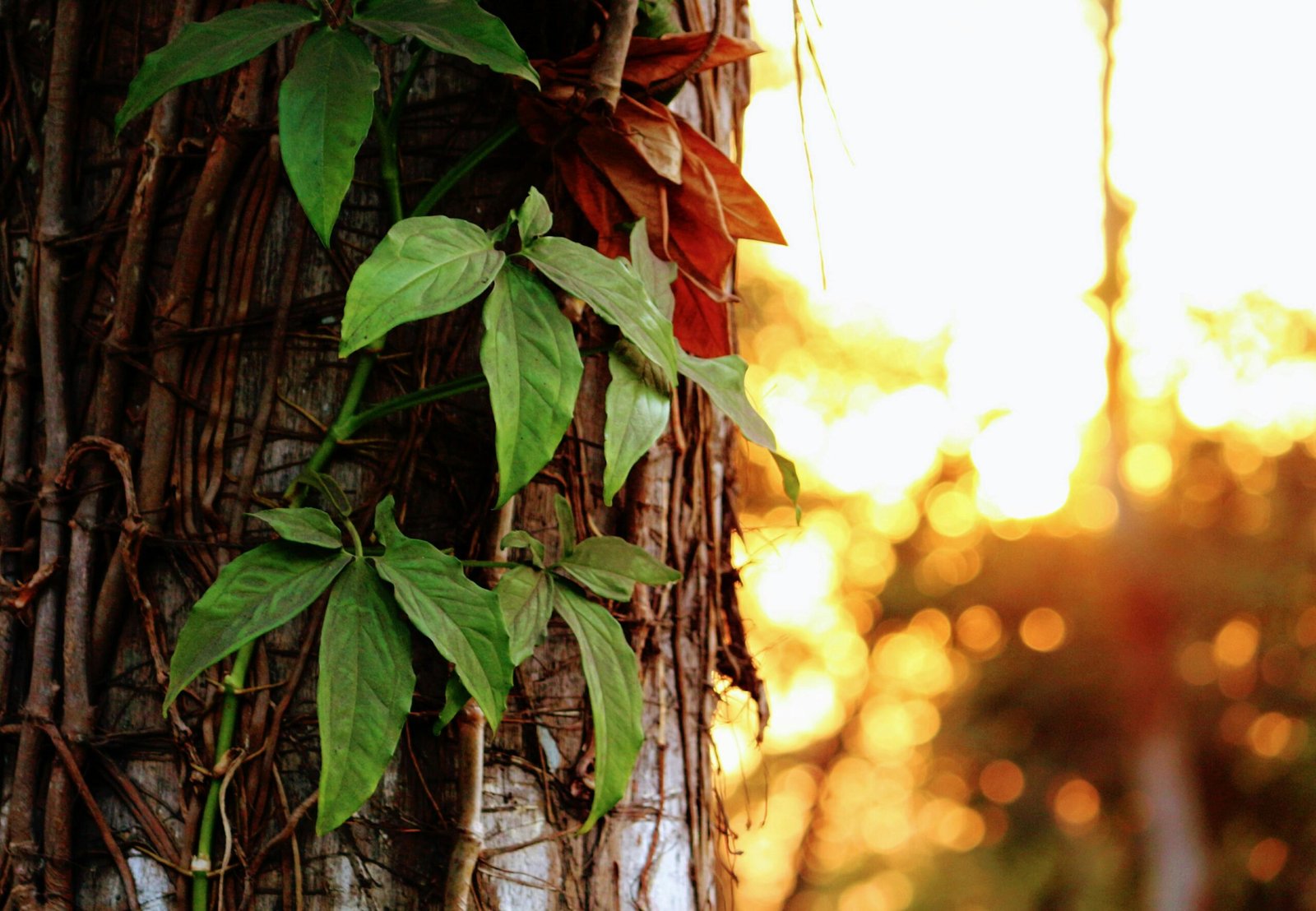
The brew itself is typically made by combining the Banisteriopsis caapi vine with other plants containing psychoactive compounds. What makes this remarkable is not just the plants, but the knowledge required to combine them effectively. This knowledge was not discovered through modern scientific methods, but through generations of observation, experimentation, and spiritual practice.
In the Peruvian Amazon, Indigenous groups such as the Shipibo-Conibo people have long used ayahuasca as part of a broader healing and spiritual system. Within these traditions, ayahuasca is often seen as a teacher or a medicine that can help individuals gain insight, restore balance, and connect with deeper aspects of life.
Ceremonies guided by experienced healers involve ritual, intention, and the use of sacred songs known as icaros. These practices are not separate from daily life but are woven into the cultural and spiritual fabric of the community.
The Impact of Colonial History
When Spanish colonizers arrived in South America in the 16th century, they brought with them not only new systems of governance and religion but also a tendency to suppress Indigenous practices. Many traditional ceremonies, including those involving ayahuasca, were viewed with suspicion or outright hostility by colonial authorities and missionaries.
Despite this pressure, ayahuasca traditions did not disappear. Instead, they adapted and persisted, often in more private or hidden forms. In some cases, elements of Indigenous practice blended with aspects of introduced religions, creating syncretic traditions that allowed the knowledge to survive under changing conditions.
The resilience of ayahuasca practices during this period is a testament to the strength of the communities that carried them forward. Even as external forces attempted to reshape life in the Amazon, these traditions remained an essential part of cultural identity and healing.
Regional Spread and Variation
Over time, the use of ayahuasca spread across different regions of the Amazon basin, including parts of modern-day Peru, Brazil, Colombia, and Ecuador. While the core elements of the brew remained consistent, the way it was used and understood varied between cultures.
In Peru, particularly in areas around Iquitos and Pucallpa, ayahuasca became associated with specific lineages of healers and ceremonial styles. These regional traditions often emphasize the role of the healer as both a guide and a protector, someone who has undergone extensive training and discipline to work with the medicine.
This diversity within the broader ayahuasca tradition reflects the richness of Amazonian cultures. There is no single, uniform way to practice ayahuasca ceremonies. Instead, there are many interconnected traditions, each shaped by its own history and environment.
The 20th Century and Changing Visibility
For much of its history, ayahuasca remained relatively unknown outside of the Amazon. This began to change in the 20th century as explorers, anthropologists, and later travelers started to document and share information about these practices.
In some cases, new religious movements emerged that incorporated ayahuasca into more structured belief systems. While many of these developments occurred outside Peru, they contributed to a broader awareness of ayahuasca as something more than a local tradition.
By the late 20th century, interest in ayahuasca began to grow among people seeking alternative approaches to healing, spirituality, and self-discovery. This marked the beginning of a new chapter in its history, one shaped by cross-cultural exchange and increasing global attention.
The Rise of Ayahuasca Retreats in Peru
In recent decades, Peru has become one of the most prominent destinations for those interested in experiencing ayahuasca. Cities like Iquitos and Pucallpa serve as gateways to retreat centers located in the surrounding rainforest.
This rise in ayahuasca tourism has created both opportunities and challenges. On one hand, it has provided economic support for some local communities and helped bring greater recognition to Indigenous knowledge. On the other hand, it has raised important questions about authenticity, safety, and cultural respect.
Not all retreats are the same, and the growing demand has led to a wide range of offerings, from deeply traditional settings to more commercialized experiences. This has made it increasingly important for visitors to approach the subject with care, curiosity, and a willingness to learn.
A Living Tradition
One of the most important things to understand about ayahuasca in the Peruvian Amazon is that it is not just a relic of the past. It is a living tradition that continues to evolve. Indigenous communities are not frozen in time, and their practices are not museum pieces. They are part of ongoing cultural life, shaped by both continuity and change.
For many in the Amazon, ayahuasca remains a respected tool for healing and connection. For visitors, it can represent something entirely different. The meeting point between these perspectives is complex, sometimes beautiful, and sometimes challenging.
Final Thoughts
The history of ayahuasca in the Peruvian Amazon is not a straight line but a layered story. It begins with ancient Indigenous knowledge, moves through periods of suppression and adaptation, and arrives in the present moment where global interest continues to grow.
At every stage, the heart of the tradition has been the relationship between people, plants, and the world around them. That relationship has been preserved not through written records, but through lived practice, ceremony, and community.
Understanding this history, even at a high level, can offer a deeper appreciation for what ayahuasca represents today. It is not just a substance or an experience. It is part of a cultural lineage that has endured, adapted, and continues to be carried forward in the forests of Peru.