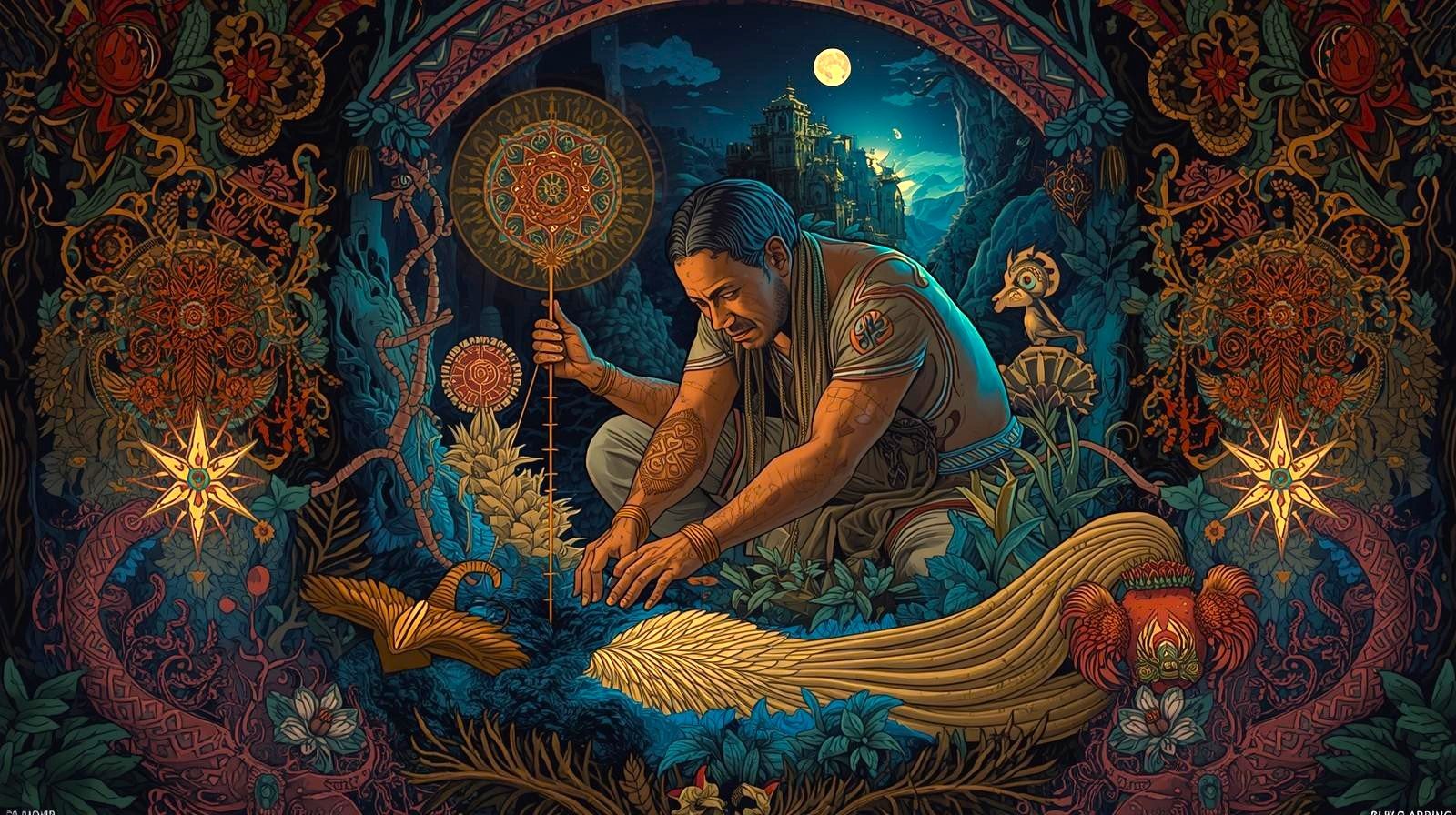

Among the many Indigenous traditions connected to the Amazon rainforest, Shipibo ayahuasca ceremonies are some of the most well-known and culturally rich healing practices. Rooted in centuries of tradition, these ceremonies are guided by experienced healers from the Shipibo-Conibo people of Peru and represent a sophisticated blend of plant medicine, spiritual practice, music, and communal support.
While global interest in ayahuasca has grown significantly in recent years, the ceremonies themselves remain deeply tied to Shipibo cultural knowledge and worldview. For those curious about participating in a traditional ceremony, understanding the structure, purpose, and expectations can help create a more respectful and informed experience.
The Cultural Roots of Shipibo Ceremonies
The Shipibo-Conibo people live primarily along the Ucayali River in the Peruvian Amazon. Their healing traditions revolve around a deep relationship with the rainforest and the plants that grow within it.
Ayahuasca, a ceremonial brew traditionally prepared from the Banisteriopsis caapi vine and companion plants, has long been used in spiritual and healing contexts. Shipibo healers, often called Onaya, undergo years of training through apprenticeships and plant dietas to learn how to safely guide ceremonies.
For the Shipibo, ayahuasca is not simply a substance but part of a larger system of healing and spiritual practice. The ceremony itself is designed to create a structured environment where participants can explore emotional, psychological, or spiritual questions under the guidance of an experienced healer.
Preparing for a Ceremony
Preparation is considered an important part of the ceremonial process. Many retreat centers and traditional healers encourage participants to follow certain guidelines before attending a ceremony.
These guidelines often include dietary recommendations such as reducing processed foods, alcohol, and heavy meals. Some traditions also suggest minimizing stimulants like caffeine and avoiding certain medications that may interact with the brew.
Participants are typically encouraged to spend time reflecting on their intentions for the ceremony. While not everyone arrives with a specific goal, many people use this time to consider areas of personal growth, emotional healing, or life questions they hope to explore.
Approaching the ceremony with respect and openness is generally considered an important aspect of preparation.
The Ceremonial Setting
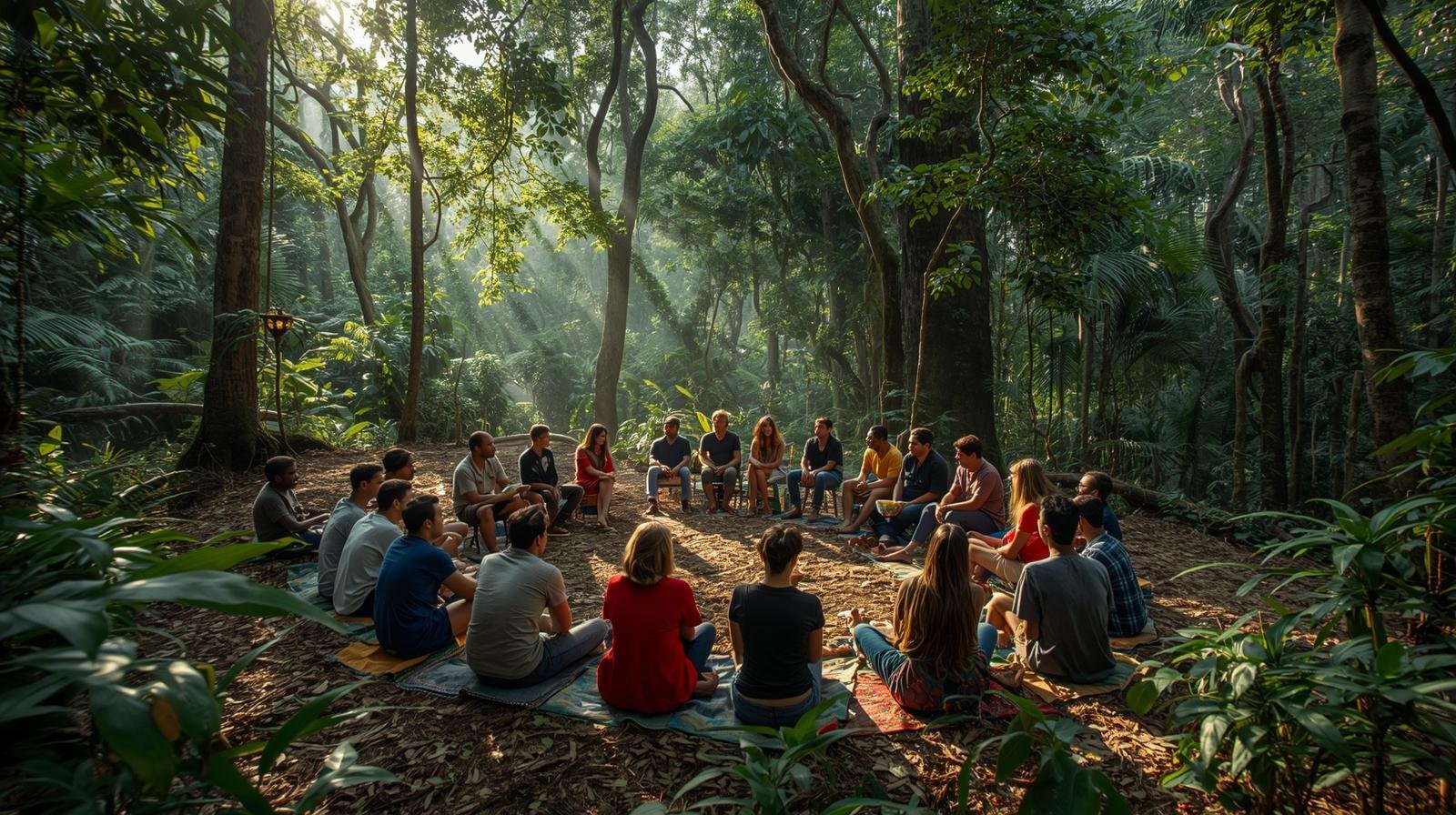
Shipibo ayahuasca ceremonies often take place in a quiet, natural environment such as a jungle retreat center or traditional ceremonial structure known as a maloca.
Ceremonies usually occur at night. The darkness of the environment helps reduce distractions and encourages participants to focus inward. Mats or cushions are arranged around the room, giving each participant a space to sit or lie down during the experience.
The atmosphere is typically calm, quiet, and intentional. Lighting is kept minimal, and participants are encouraged to remain respectful of the ceremonial space.
Before the ceremony begins, the healer may explain the process and answer questions from participants. This introduction helps create a sense of comfort and shared understanding within the group.
Drinking the Ayahuasca Brew
At the start of the ceremony, the shaman or facilitator prepares and distributes the ayahuasca brew to participants. The amount served may vary depending on the retreat, the individual, and the guidance of the healer.
After drinking the brew, participants usually return to their space and wait quietly as the effects gradually begin. The onset can take anywhere from 20 minutes to an hour.
Experiences vary widely from person to person. Some participants report vivid visual imagery, while others experience emotional insights, memories, or periods of deep reflection. Physical sensations such as warmth, body awareness, or nausea can also occur.
One commonly discussed aspect of ayahuasca ceremonies is purging, which may involve vomiting or other forms of physical release. Within traditional contexts, this process is often viewed as part of the cleansing aspect of the experience.
The Role of Icaros
One of the most distinctive elements of Shipibo ceremonies is the use of icaros, sacred healing songs sung by the shaman during the ceremony.
These songs are not simply musical performances. In Shipibo tradition, icaros are believed to carry energetic patterns that guide the healing process. Each song may be associated with a particular plant, healing intention, or energetic quality.
Throughout the ceremony, the healer sings icaros at different moments to support participants as they move through their experiences. Many participants describe the songs as deeply immersive and emotionally powerful.
The icaros also help maintain structure and rhythm within the ceremony, guiding the flow of the evening and helping participants feel supported during challenging moments.
Emotional and Personal Experiences
Ayahuasca ceremonies can be deeply introspective. Participants often report encountering thoughts, emotions, or memories that arise during the experience.
For some people, the ceremony can bring feelings of clarity or insight about personal patterns, relationships, or life direction. Others may experience emotional release or periods of quiet reflection.
It is important to recognize that each person’s journey is unique. Some ceremonies feel intense and transformative, while others may be more subtle or contemplative.
The presence of an experienced healer and support staff helps ensure that participants feel guided and safe throughout the process.
The Closing of the Ceremony
Shipibo ceremonies typically last several hours and often continue late into the night. Toward the end of the ceremony, the healer may sing closing icaros to help gently bring the experience to completion.
Participants gradually transition back to a normal state of awareness and may spend time resting quietly before returning to their accommodations.
Many retreat centers encourage participants to reflect on their experiences the following day through journaling, group discussions, or integration sessions. This process can help individuals make sense of the insights or emotions that emerged during the ceremony.
Integration After the Experience
The period following a ceremony is often referred to as integration, and it plays a crucial role in the overall value of the experience.
Integration involves reflecting on what was learned during the ceremony and considering how those insights might influence daily life moving forward. Some people choose to discuss their experiences with facilitators or fellow participants, while others prefer quiet personal reflection.
Healthy integration can help translate the lessons of the ceremony into meaningful changes in perspective or behavior.
Respecting the Tradition
As interest in ayahuasca ceremonies grows around the world, many advocates emphasize the importance of respecting the cultural origins of the practice.
Shipibo ceremonies are part of a living Indigenous tradition with deep historical roots. Approaching the experience with humility, curiosity, and cultural respect helps ensure that the tradition is honored rather than commercialized or misunderstood.
Choosing retreats that work directly with Shipibo healers and support Indigenous communities can also help preserve the integrity of the tradition.
A Unique Cultural Experience
Shipibo ayahuasca ceremonies represent a remarkable blend of plant medicine, music, community, and spiritual practice. For those who choose to participate in a traditional ceremony, the experience can provide an opportunity for introspection, learning, and connection with one of the world’s most enduring healing traditions.
While the experience is deeply personal and varies for each individual, many participants describe Shipibo ceremonies as offering a unique window into the wisdom of the Amazon and the cultural traditions that have preserved this knowledge for generations.