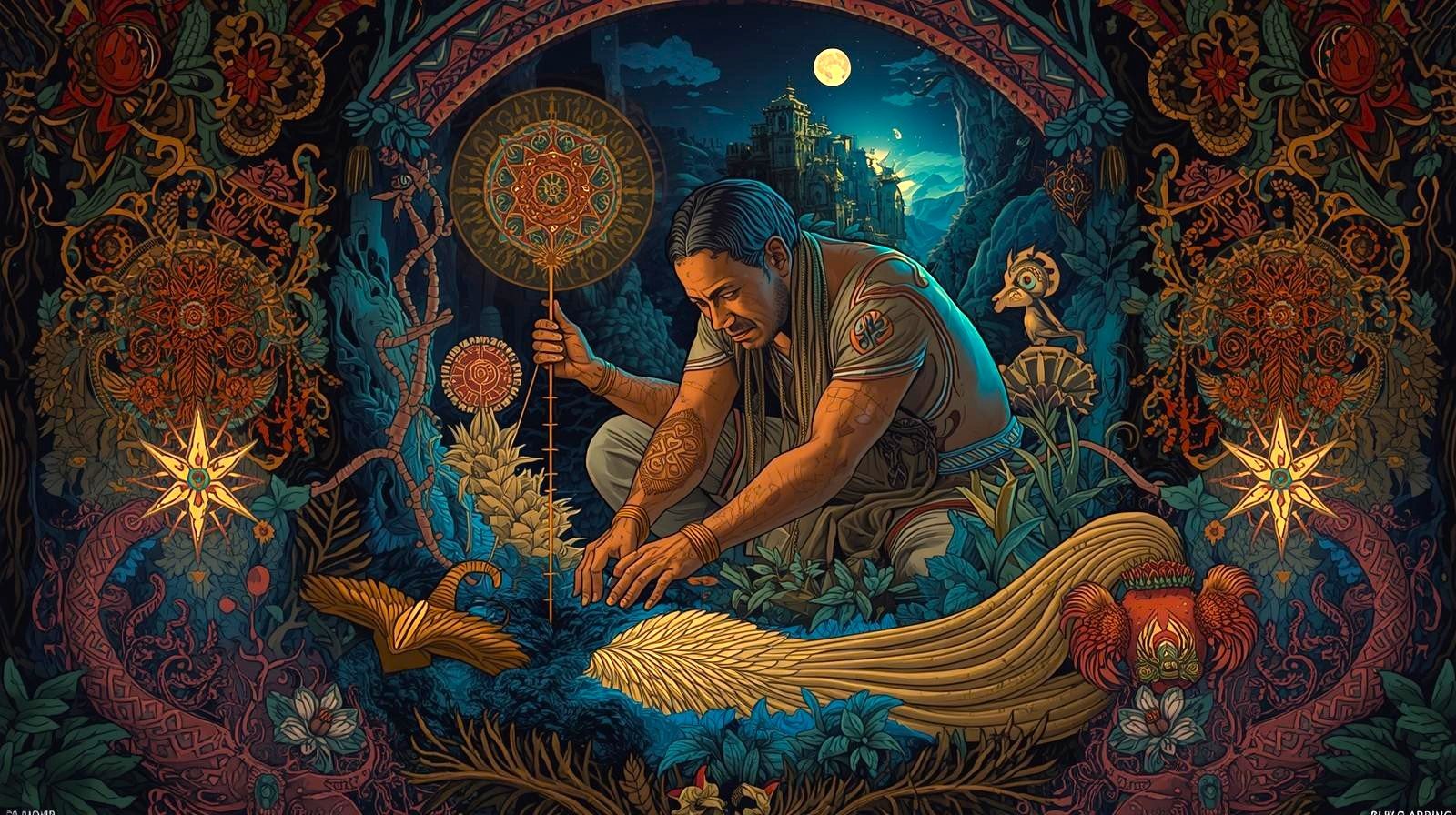

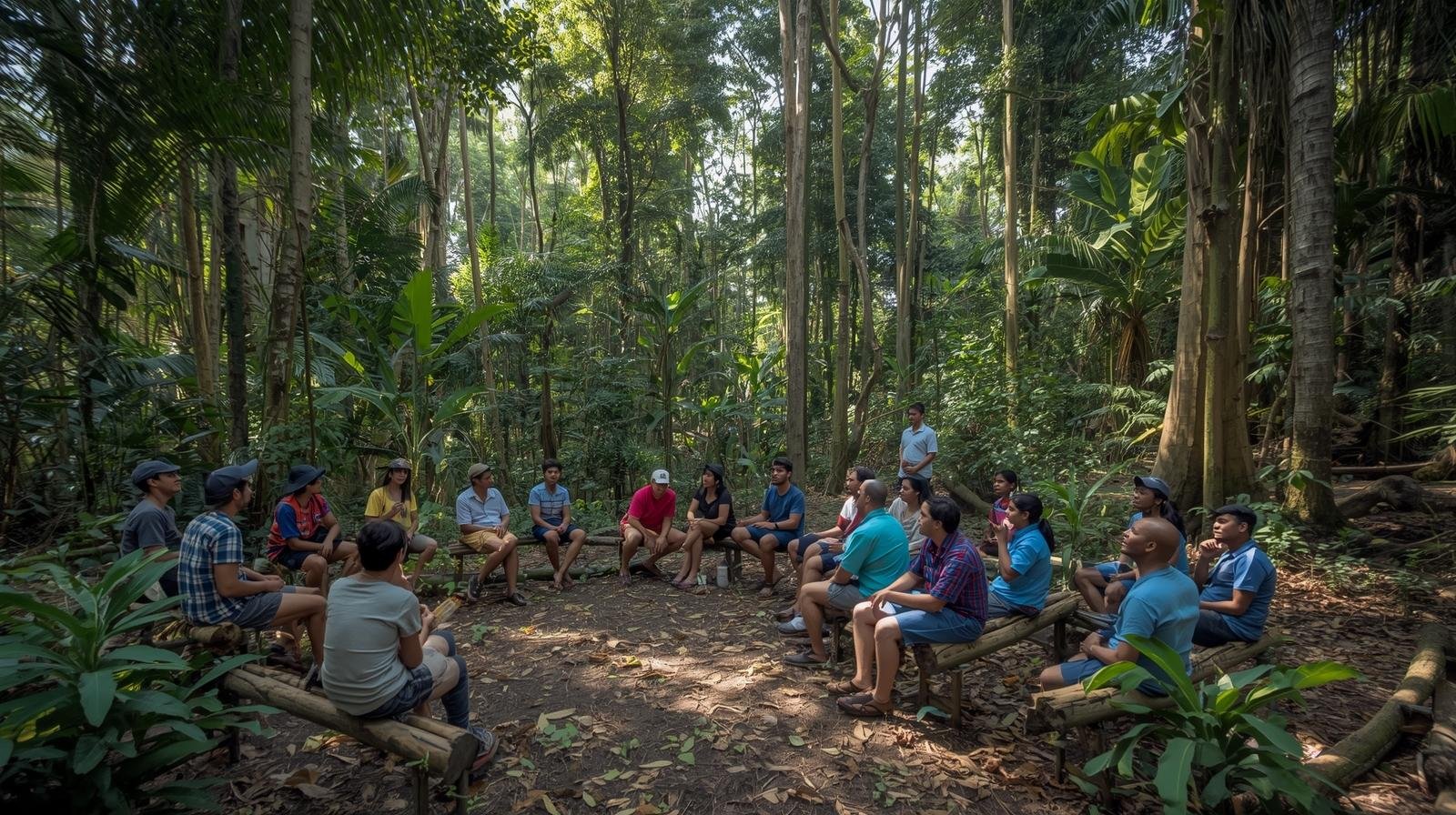
Deep within the Amazon rainforest of Peru lives the Shipibo-Conibo people, an Indigenous culture known worldwide for preserving one of the most sophisticated systems of plant-based healing in the Amazon. Shipibo traditional medicine is far more than a collection of herbal remedies. It is a holistic healing tradition that blends plant knowledge, spiritual practices, ceremonial music, and deep connection with nature.
For centuries, Shipibo healers have developed an intricate understanding of the rainforest ecosystem and the medicinal properties of its plants. Their healing traditions are built on generations of observation, apprenticeship, and cultural transmission. Today, as global interest in plant medicine and holistic healing grows, Shipibo traditional medicine has attracted attention from researchers, wellness seekers, and cultural scholars alike.
Understanding this healing tradition requires looking beyond the plants themselves and appreciating the cultural worldview that supports the practice.
The Shipibo People and Their Cultural Roots
The Shipibo-Conibo people live primarily along the Ucayali River in the Peruvian Amazon. Their culture is known for its rich artistic traditions, including intricate geometric textile designs called kené, which represent energetic patterns believed to exist within nature and the universe.
These same patterns are also central to Shipibo healing philosophy. Many healers believe that illness can occur when the energetic patterns within a person become disrupted or unbalanced. Healing, therefore, involves restoring harmony within the body, mind, and spirit.
This worldview connects humans, plants, animals, and the environment into a unified living system. Rather than viewing medicine purely as a physical intervention, Shipibo healing approaches health as a dynamic relationship between a person and the natural world.
The Role of the Onaya (Shipibo Healer)
Shipibo healers are often referred to as Onaya, a term that roughly translates to “one who knows.” Becoming an Onaya requires many years of intense training and discipline.
Unlike formal medical schools, Shipibo healers typically learn through apprenticeships under experienced masters. This training often involves extended periods of isolation in the rainforest while working closely with medicinal plants.
During these apprenticeships, healers follow strict dietary restrictions and engage in practices known as plant dietas, which are believed to help them form deeper connections with specific plants and their healing properties.
Over time, the healer learns how different plants interact with the body and spirit, how to prepare plant medicines, and how to guide healing ceremonies. This process can take decades, and many Shipibo healers dedicate their entire lives to refining their knowledge.
Plant Dietas and Learning from the Forest
One of the most unique aspects of Shipibo traditional medicine is the concept of dietas, or plant isolation retreats.
In a dieta, a healer or apprentice spends days or weeks in solitude in the forest while consuming a specific medicinal plant under strict conditions. The dieta usually involves:
• A simple diet with little salt or spice
• Limited social interaction
• Avoidance of alcohol, processed foods, and strong stimuli
• Daily interaction with the medicinal plant being studied
The purpose of a dieta is not only to observe the plant’s physical effects but also to develop a deeper intuitive understanding of the plant’s energetic qualities.
Shipibo healers often describe plants as teachers that communicate knowledge through dreams, visions, or subtle sensations. Through repeated dietas over many years, a healer gradually builds an extensive relationship with dozens of medicinal plants.
Icaros: The Healing Songs
Another central element of Shipibo healing is the use of icaros, sacred songs used during ceremonies and healing sessions.
These songs are not simply music in the conventional sense. In Shipibo tradition, icaros are considered energetic tools that help guide healing processes. Each icaro may be associated with a particular plant, healing purpose, or energetic pattern.
Healers often learn these songs during plant dietas or through guidance from their teachers. During ceremonies, the healer sings icaros to direct the flow of healing energy, support participants through emotional experiences, and help restore balance within the body.
Many participants in Shipibo ceremonies report that the icaros feel deeply immersive, sometimes described as shaping the emotional or sensory landscape of the experience.
Plant Medicine and the Amazonian Pharmacopoeia
The Amazon rainforest contains one of the most diverse ecosystems on Earth, and the Shipibo people have long cultivated knowledge of its medicinal potential.
Shipibo traditional medicine includes hundreds of plant remedies used for various conditions. Some plants are used for physical ailments such as infections, inflammation, digestive issues, or skin conditions. Others are used in spiritual or ceremonial contexts.
Healers prepare these medicines in different forms, including teas, tinctures, plant baths, poultices, and smoke treatments. The preparation methods are often highly specific and passed down through generations.
One of the most widely known ceremonial plants associated with Shipibo healing traditions is ayahuasca, a brew traditionally used in ceremonial settings. However, ayahuasca represents only a small portion of the broader Shipibo medicinal system.
Many other plants are used for purification, strengthening the immune system, calming the nervous system, or supporting emotional wellbeing.
Healing as Balance and Harmony
Shipibo traditional medicine approaches health as a state of balance between multiple dimensions of life.
Physical health, emotional wellbeing, spiritual alignment, and connection to the environment are all considered important elements of overall wellness. When imbalance occurs, healing practices aim to restore harmony across these areas.
For example, some illnesses may be viewed as energetic disturbances, emotional trauma, or spiritual imbalance rather than purely physical conditions. In these cases, treatment might involve ceremonial work, plant medicines, cleansing rituals, or guidance from the healer.
This holistic perspective allows Shipibo healing traditions to address aspects of wellbeing that may not always be emphasized in conventional healthcare systems.
Preserving a Living Tradition
Despite increasing global attention, Shipibo traditional medicine remains rooted in the cultural traditions of the Shipibo-Conibo people. Many Indigenous leaders emphasize the importance of respecting and protecting these traditions.
As interest in Amazonian plant medicine grows, some communities are working to ensure that knowledge is shared responsibly and that Indigenous healers receive recognition and support for their expertise.
Preserving this knowledge is not only important for cultural heritage but also for the broader understanding of plant-based medicine and ecological wisdom.
A Window into Ancient Knowledge
Shipibo traditional medicine represents one of the most sophisticated healing traditions developed within the Amazon rainforest. Its integration of plant knowledge, ceremonial practice, music, and spiritual philosophy reflects a worldview deeply connected to nature.
For centuries, Shipibo healers have maintained this tradition through dedication, apprenticeship, and respect for the forest that sustains their culture.
As modern society continues to explore holistic approaches to health and wellbeing, the Shipibo healing tradition offers a powerful reminder that medicine can exist not only in laboratories and clinics, but also within the living ecosystems of the natural world.