
If you’ve ever heard someone describe a life-changing journey in the Amazon, there’s a good chance they were talking about ayahuasca. The word itself carries a kind of gravity, like a door slightly ajar into something ancient, complex, and not easily summarized. Still, it’s possible to understand the basics without getting lost in the jungle fog.
At its core, ayahuasca is a traditional plant-based brew that has been used for generations by Indigenous cultures in the Amazon rainforest, particularly in countries like Peru, Brazil, and Colombia. It is typically prepared by combining two primary plants: the Banisteriopsis caapi vine and the leaves of a plant that contains a naturally occurring psychoactive compound. When brewed together in a specific way, these plants create a powerful and unique effect on the mind and body.
But describing ayahuasca as simply a “brew” is a bit like calling a cathedral “a building.” Technically true, but it misses the atmosphere, the intention, and the centuries of meaning behind it.
The Origins and Cultural Context
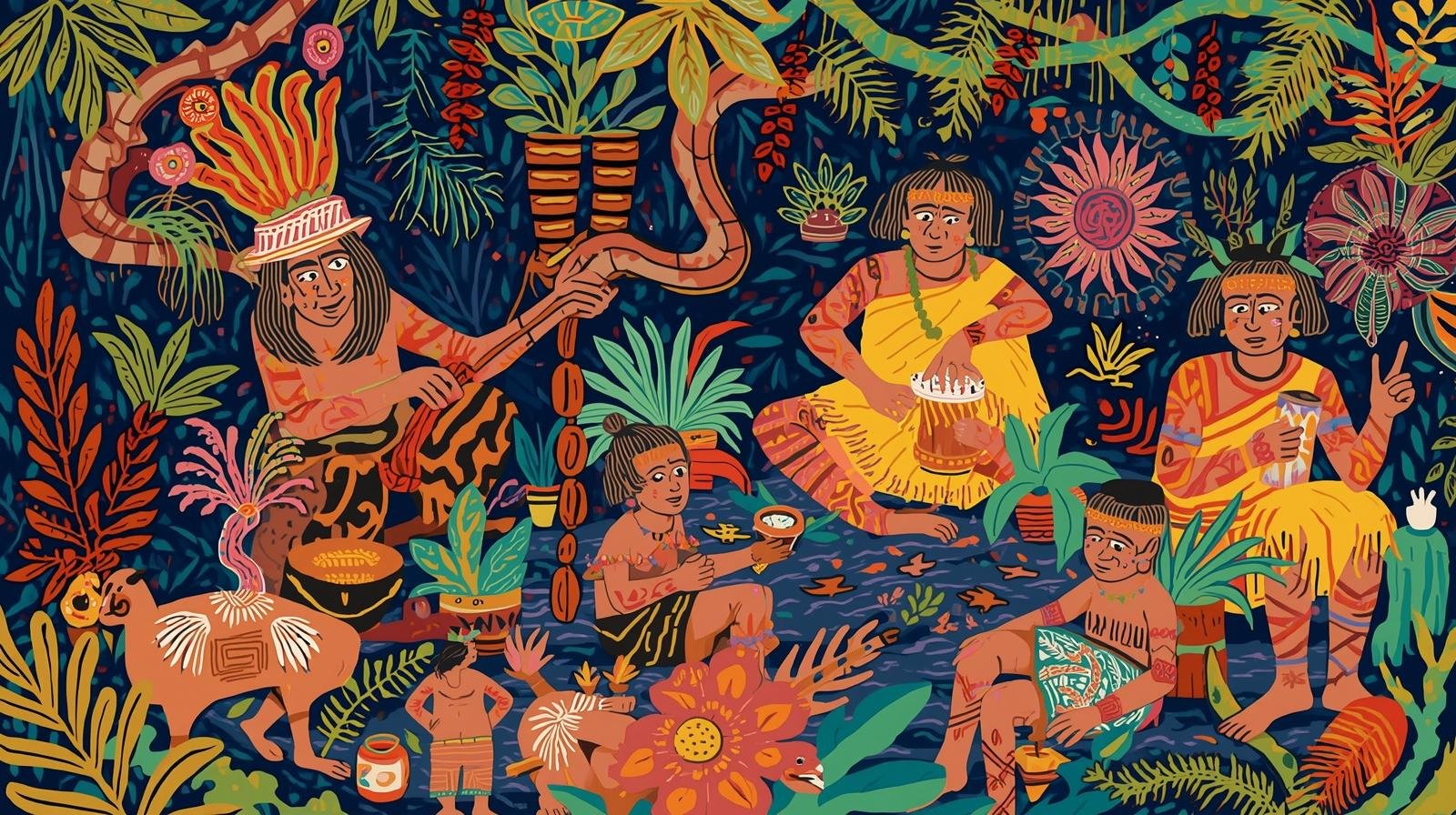
Ayahuasca has deep roots in Indigenous Amazonian traditions, where it is often used in ceremonial settings guided by trained healers or shamans. Among groups like the Shipibo-Conibo people, the use of ayahuasca is woven into a broader system of healing, spirituality, and community life.
In these traditions, ayahuasca is not treated as a recreational substance. It is approached with respect and intention. Ceremonies often involve specific rituals, songs, and practices that are meant to guide the experience and support healing. The brew itself is sometimes referred to as “the medicine,” reflecting the belief that it can help address emotional, psychological, or even spiritual imbalances.
The word “ayahuasca” comes from Quechua, roughly translating to “vine of the soul” or “vine of the dead.” It’s a poetic name, and fitting, considering how many people describe the experience as deeply introspective or transformative.
What Does Ayahuasca Do?
The effects of ayahuasca can vary widely from person to person, but there are some common themes. People often report vivid visual imagery, emotional breakthroughs, and a heightened sense of awareness or connection. It’s not uncommon for individuals to revisit past memories, gain new perspectives on personal challenges, or feel a sense of clarity about their lives.
At the same time, the experience can be intense. Ayahuasca is known for producing strong physical and emotional effects, including nausea, which is sometimes described within traditional contexts as a form of cleansing. This aspect of the experience can be uncomfortable, but it is often considered part of the overall process.
Unlike substances associated with casual use, ayahuasca tends to demand attention. It’s less like flipping a switch and more like being guided through a series of inner landscapes, some beautiful, some challenging, and some difficult to put into words.
The Role of Ceremony
One of the most important aspects of ayahuasca is the setting in which it is used. Traditionally, it is consumed during a structured ceremony led by an experienced practitioner. These ceremonies often take place at night and may include chanting, singing, or the use of specific instruments.
Among the Shipibo and other Amazonian groups, ceremonial songs known as icaros are central to the experience. These songs are believed to help guide the journey, shape the energy of the space, and support healing. Even for those unfamiliar with the cultural context, the atmosphere of an ayahuasca ceremony can feel deeply immersive and intentional.
This structured environment is a key reason why many people travel to places like Pucallpa or Iquitos to participate in traditional-style retreats. The combination of experienced guidance, natural surroundings, and cultural context can play a significant role in how the experience unfolds.
Why People Seek It Out
In recent years, ayahuasca has gained attention beyond the Amazon, attracting people from around the world. The reasons vary. Some are seeking personal insight or emotional healing. Others are curious about consciousness, spirituality, or alternative approaches to well-being.
There is also growing interest in how traditional practices intersect with modern perspectives on mental health and self-discovery. While research is ongoing, many people describe their experiences as meaningful or impactful, even if they are difficult to fully explain.
That said, it’s important to approach ayahuasca with realistic expectations. It is not a guaranteed solution to life’s challenges, nor is it something to take lightly. The experience can be powerful, and not always easy. Preparation, guidance, and integration afterward are often considered essential parts of the process.
A Note on Responsibility and Respect
As ayahuasca becomes more widely known, conversations around ethics, safety, and cultural respect have become increasingly important. Not all settings offering ayahuasca are the same, and the quality of guidance can vary significantly.
In traditional contexts, the use of ayahuasca is supported by a broader framework of knowledge, training, and cultural understanding. When engaging with these practices, many emphasize the importance of respecting the cultures that have preserved them and being mindful of how they are shared.
For anyone considering exploring ayahuasca, taking the time to learn, ask questions, and choose a responsible setting can make a meaningful difference.
Final Thoughts
Ayahuasca sits at the intersection of nature, culture, and human curiosity. It is a plant-based brew with deep historical roots and a growing global presence. For some, it represents healing. For others, exploration. For many, it remains something mysterious and difficult to define.
What’s clear is that ayahuasca is more than a trend or a buzzword. It is part of a living tradition that deserves thoughtful understanding. Whether you view it through a cultural, personal, or educational lens, taking the time to learn about it is a meaningful first step.