Shipibo Medicine
A wide range of medications, practical tools, and a structured approach to care
Ayahuasca has been transformed into a spectacular, marketable tree. And by focusing on it, we have ended up forgetting the forest.
Shipibo medicine and Amazonian plants
Traditional Shipibo medicine is practiced in the Peruvian Amazon, in the Ucayali region near Pucallpa. Based on ancestral knowledge passed down from generation to generation, it relies on the use of Amazonian plants, traditional diets, and the guidance of Shipibo healers.
Unlike approaches focused solely on spectacular experiences, Shipibo medicine is part of a gradual, structured process.
A
structured and sustainable process The effects of treatment are not always immediately apparent. They become evident over time, in concrete ways: improved sleep, reduced anxiety, release of physical tension, and greater emotional stability. At the heart of this approach are herbal diets, traditional treatments, and ayahuasca ceremonies, integrated into a broader therapeutic framework. Ayahuasca is not considered an isolated experience, but rather a tool for in-depth work.
The Plant Diet
: The Cornerstone of Medicine
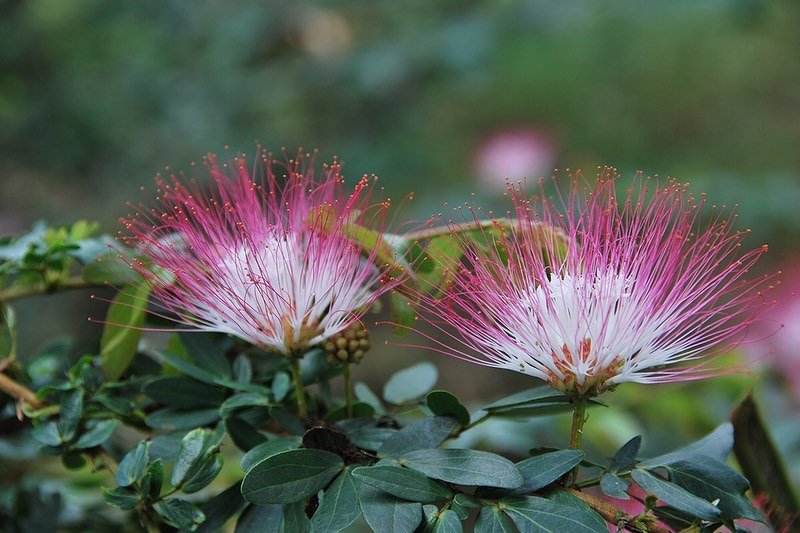
In Shipibo medicine, the plant diet forms the basis of therapeutic work as well as learning.
According to tradition, it was not humans who invented these rules. They were passed down by the plants themselves.
The Shipibo people talk about the “spirits” or “genies” of plants, a way of expressing that plants are perceived as having their own intelligence. The diet then becomes a space for encounter, dialogue, and learning with the plant.
The word is misleading, because in English we immediately think of a “diet.” Of course, there are restrictions. But the diet, in this context, is a process. In other traditions, we would speak of asceticism or initiation, a period during which we put the world on mute to allow something to act or emerge. It is based on a simple and demanding principle: learning through restriction, silence, and repetition.
For a set period of time, a master plant is ingested daily,
within a specific framework that includes dietary, behavioral, and relational rules.
These rules provide the necessary framework for the work with the medicinal plant to unfold in a coherent manner.
The diet is therefore a comprehensive system at the heart of Shipibo medicine, designed to support in-depth work.
Ayahuasca Ceremonies
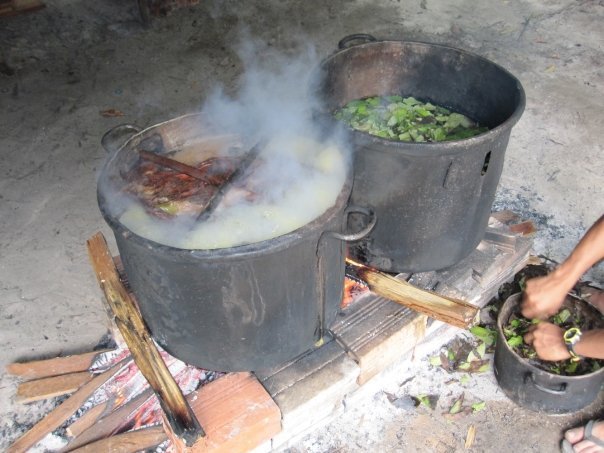
In the Peruvian Amazon, the ayahuasca ceremony is part of a structured framework specific to traditional Shipibo medicine.
It is never an isolated act.
It is part of a broader therapeutic process that includes diet, daily care, and support from healers.
Before the ceremony Specific
preparation is required beforehand: dietary rules, precise recommendations, and clarification of intention.
This preparation creates favorable conditions for the work.
During the ceremony
At nightfall, the healers guide the process through traditional songs called ícaros.
These songs are addressed individually according to each person’s needs.
The ceremony can support introspection, help to highlight certain patterns, or promote inner clarity.
After the ceremony
Time for discussion and integration allows participants to understand what they have experienced, grasp its meaning, and incorporate the experience into a progressive process of healing and transformation.
In this context, the ceremony can support introspection, help to highlight certain repetitive patterns, or promote lasting inner clarity.
Floral Perfumes & Baths
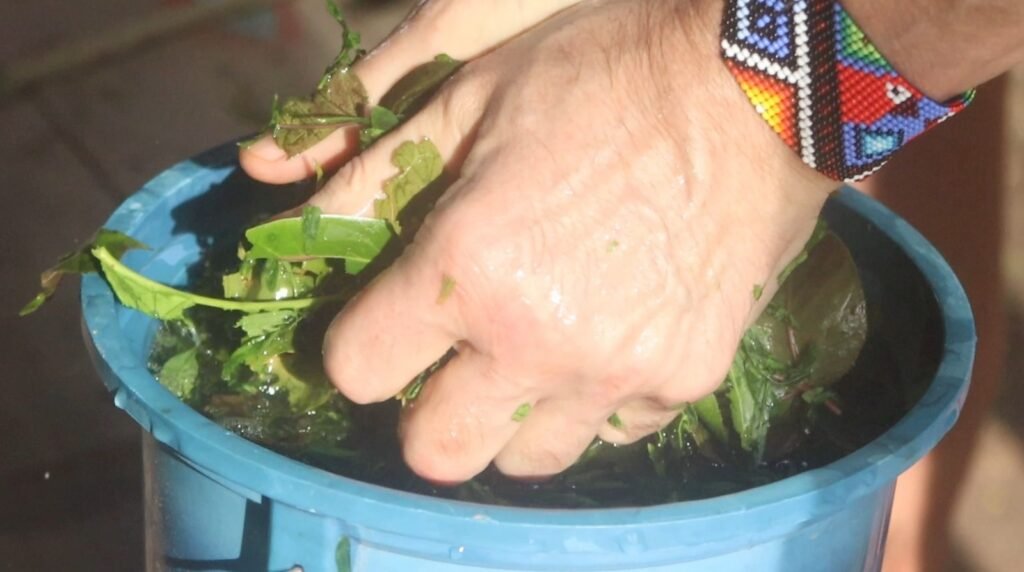
In Shipibo medicine, herbal baths and perfumes are constant and subtle healing tools.
Often discreet, they nevertheless have tangible effects on overall well-being: soothing, alleviating feelings of overload, calming inner turmoil, or helping to restore clarity and stability.
Cleansing baths
These aim to clear away what is cluttering or unbalancing. They accompany periods of fatigue, confusion, accumulated tension, or emotional overload.
Flowering baths (florecimiento)
These use more aromatic plants to strengthen, revitalize, and restore harmony, clarity, and lightness.
The work of perfumes
It is based on the use of floral waters, macerations, or preparations made from medicinal plants applied to the body or
diffused through the sense of smell.
In the Shipibo tradition, perfumes are never used simply for their pleasantness. Each application responds to a precise reading of the person’s condition and is part of an individualized protocol. Because they act quickly and sometimes intensely, these tools
require experience, discernment, and caution.
Master Plants & Medicinal Plants
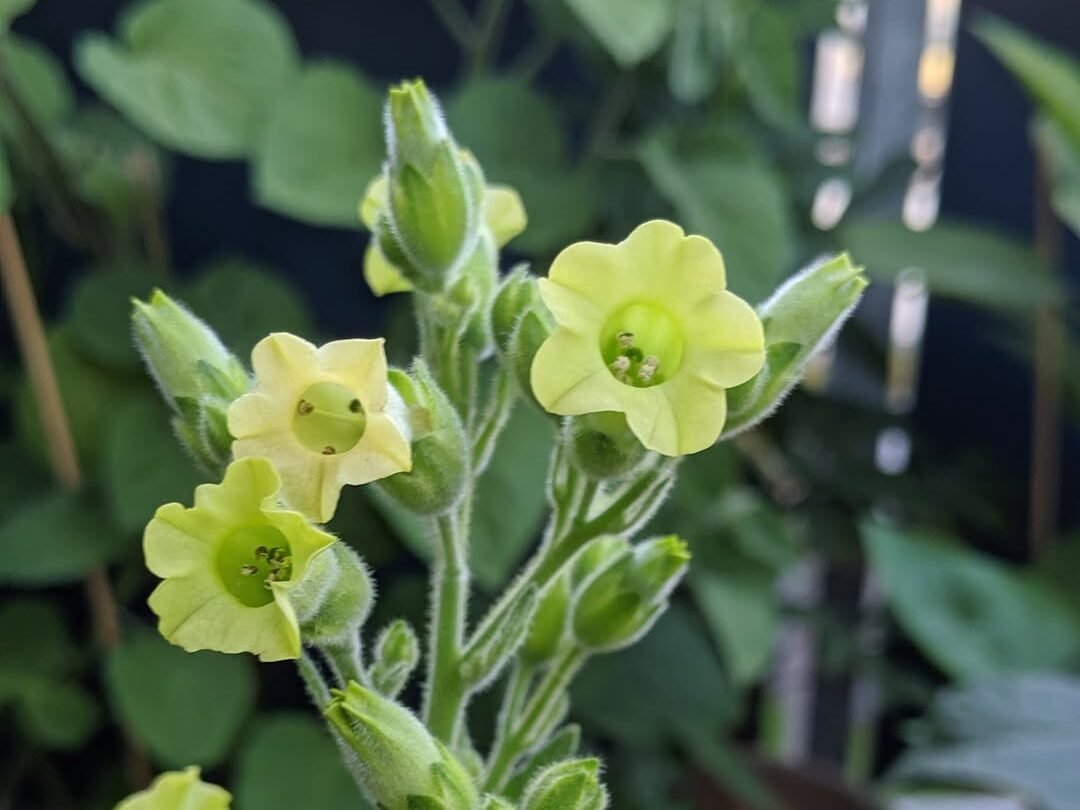
At the heart of Shipibo medicine lies a simple and consistent practice: drinking a herbal preparation every day.
The work of medicinal plants
II is not based on seeking immediate results, but on a gradual process tailored to each individual.
The healer selects plants based on the patient’s condition, history, and stated intention. It is not a standardized
prescription, but an individualized choice: a specific plant for a specific person at a specific time.
The preparations take different forms: fresh extracts, decoctions, macerations.
A relational approach to plants
In this tradition, plants are not reduced to their chemical composition alone. They are considered to have their own unique qualities, with which the patient connects through diet and adherence to certain rules.
Treatment therefore requires active participation: commitment, intention, and discipline are an integral part of the process.
Areas for further study
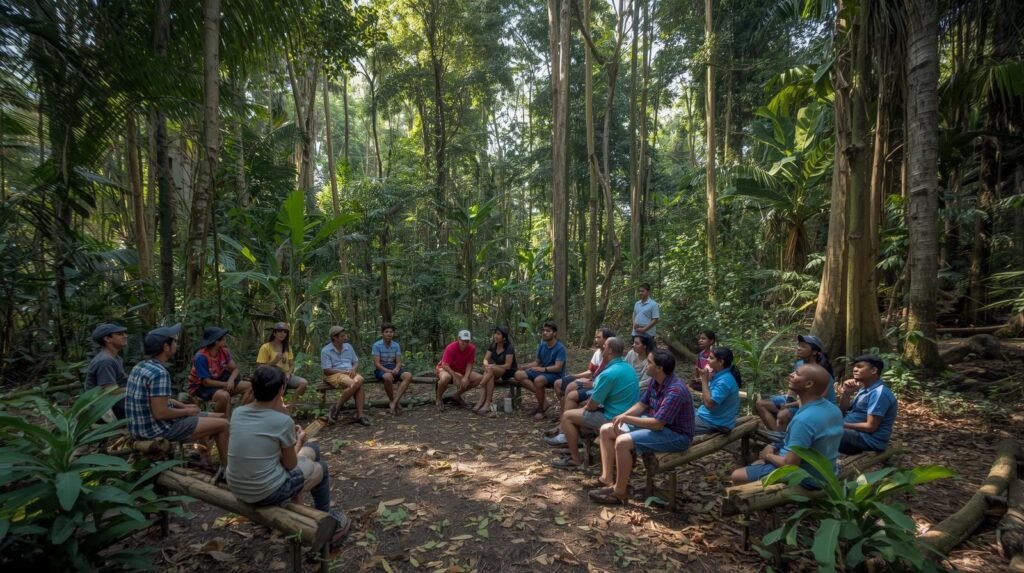
Beyond the healing work, we offer in-depth sessions designed to provide a better understanding of Shipibo medicine and the traditional use of medicinal plants.
Guidelines for understanding Shipibo medicine
These workshops are not intended to teach recipes or train practitioners, but rather to shed light on the coherence of an ancient therapeutic system. They allow participants to situate ayahuasca, diet, and healing in their cultural context and to better understand the
principles that structure Amazonian medicine.
Integrating through understanding
Through discussion and sharing, participants can develop a deeper understanding of traditional knowledge and the framework in which it exists.
This educational dimension supports the integration of the process and promotes a more conscious relationship with the experience.

Beyond these treatments
The treatments presented here are not an exhaustive list. Shipibo medicine is a comprehensive system in which various practices complement the use of plants, baths, and ceremonies. Some of these practices are more concrete and sometimes more familiar: topical applications, oils, poultices, massages, and purges. Shipibo massage is also one of these practices.
Thus, Shipibo medicine is not based on a single technique, but on a coherent set of practices tailored to each individual.
This medicine does not promise the extraordinary. It offers transformation.